Commercial values in Cambridge, Ontario are shaped by a messy mix of manufacturing legacies, steady logistics demand, riverside renewal, and a tight corridor that ties Kitchener, Waterloo, Guelph, and the 401 together. The result is a market that can reward nuance and punish shortcuts. If you work with industrial condos along Pinebush, storefronts in Hespeler, mixed use assets in Galt’s core, or development sites near Franklin Boulevard, a misstep in the appraisal process can ripple into financing delays, renegotiated deals, or hard costs on due diligence. After years working with lenders, owner occupiers, and private investors across Waterloo Region, I have a short list of traps I see regularly and the habits that help avoid them.
Start local, stay precise
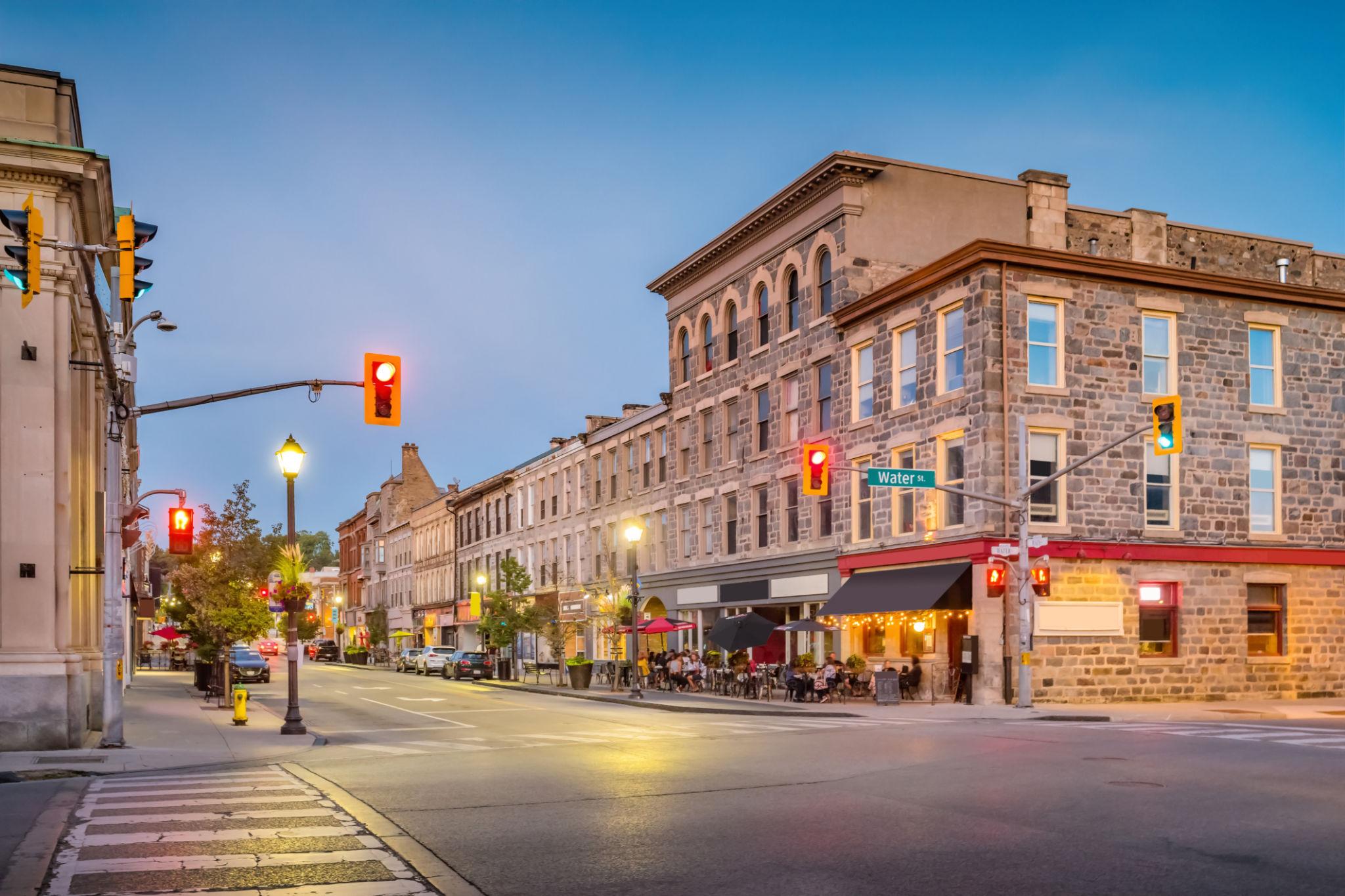
Cambridge is not a generic GTA satellite. It has three historic cores, a distinct industrial base, and a set of bylaws and infrastructure projects that skew values at the neighbourhood level. A commercial real estate appraisal in Cambridge, Ontario must recognize that Preston retail does not move like Hespeler retail, that small-bay industrial along Raglin Place trades differently than food-grade or high clear facilities closer to the 401, and that adaptive reuse on Water Street lives within a different risk box than a suburban medical office on Bishop.
I have seen well-intended national analyses miss by 10 to 20 percent simply because the comp set leaned on Brantford or Milton when the better analogues were three blocks away. An experienced commercial appraiser in Cambridge, Ontario is not just quoting cap rates. They are translating what drives absorption, who the likely buyer pools are, and how municipal files read on the ground.
Comparable sales that are not actually comparable
Pulling comps is easy. Filtering them is the work. The most common pitfall is leaning on sales that look similar on paper but diverge in economic reality.
A few red flags:
- The sale closed during a financing window that no longer exists. Late 2021 cap rates are not a fair proxy for mid 2024 lending. The buyer had a special motivation. A neighbouring owner paying a synergy premium is not instructive for a third party purchaser. Deferred maintenance or environmental stigma wasn’t fully priced. If the comp needed a new roof and two RTUs, and your subject has fresh mechanicals, normalize.
I often adjust 100 to 200 basis points on cap rates once I normalize net operating income and correct for these issues. The adjustment is not arbitrary. It comes from lease audits, discussions with brokers who handled the deal, and sometimes calls with property managers. In this market, backchannel validation beats a spreadsheet every time.
Lease audits that stop at the rent roll
Income approaches live and die by the details. Too many appraisals accept a rent roll at face value without testing its guts. I want to see estoppel certificates when available, recent recoveries statements, and the full text of leases for anchor tenants. That is where you find base-year definitions, unusual cap clauses on controllable expenses, or a terminating right that quietly pulls value forward.
A real example: an office user on Sheldon Drive had a five year renewal option tied to CPI with a 2 percent cap. The landlord’s model assumed market on renewal at 3.25 percent growth. The difference in terminal value at a 6.5 percent cap was roughly 120,000 dollars. If your commercial property appraisal in Cambridge, Ontario does not read past the rent schedule, it will miss value in both directions.
Mispriced vacancy and the wrong absorption tempo
Market vacancy for small-bay industrial in Cambridge has run lower than regional averages for most of the past five years, but that does not mean your asset stabilizes instantly. An appraisal that applies a 2 to 3 percent structural vacancy without considering tenant size, bay depth, clear height, and loading configuration is glossing over lease-up risk. I model downtime and inducements explicitly, and I weight them by tenant profile. A 2,500 square foot unit with 14 foot clear and a single drive-in door behaves differently than a 30,000 square foot space with 24 foot clear and multiple docks. Brokers can tell you how many tours convert to offers at each size band. Those conversion ratios are more useful than a citywide average.
Highest and best use that is out of date
In Cambridge, rezoning and intensification potential can change the optimal use faster than many owners realize. A single-storey retail strip with surplus parking near a transit corridor might carry more value in a phased mixed use plan than as stabilized retail. Conversely, some heritage assets in Galt carry protections that curb density dreams. A commercial appraisal services provider in Cambridge, Ontario has to test legal permissibility, physical possibility, financial feasibility, and maximum productivity for the subject as it sits today and as it could be with credible approvals.
I once ran two valuations side by side on a riverside parcel. The as-is concluded at 4.1 million, with stable income from legacy industrial leases. The as-if rezoned, based on planning counsel’s letter and a shadow pro forma for an 8 storey mixed use project, exceeded 7 million net of soft costs. The owner used both values in a staged financing strategy, preserving leverage while they pursued approvals. Without that highest and best use workup, they would have left capacity on the table.
Environmental due diligence that surfaces too late
Phase I environmental site assessments are standard for financing, but the timing matters. I have seen appraisals conditioned on environmental clearance that arrives three weeks after the lender’s committee meets. That delay is expensive. In a city with legacy manufacturing and fill sites, environmental red flags are common enough that they should be front loaded. If a Phase I hints at a record of site condition path or recommends intrusive testing, the value opinion may need to reflect cure costs, stigma, or longer lease-up assumptions for sensitive tenants.
Where you have known risks, your commercial real estate appraisers in Cambridge, Ontario should coordinate with the environmental consultant to bracket likely outcomes. A narrow banded scenario analysis often keeps a file moving while you finish testing.
Land use, legal nonconformity, and the cost of compliance
Zoning in Cambridge is its own ecosystem. I have appraised legal nonconforming uses where the value split hinged on rebuild rights and parking ratios. For example, a small automotive use with grandfathered permissions looked well leased, but it sat on a site that could not meet current parking standards if rebuilt. That restricts lender comfort and compresses value. Appraisals that only state the current use, without addressing status and compliance, understate risk.
If your asset touches the Grand River floodplain, or if you operate under a site plan agreement with oddball conditions, these are not footnotes. They are core to value and marketability.
Cap rates without context
Readers often fixate on the cap rate, but the number is the tip of the spear. The blade is the quality of the income and the durability of the cash flow. Cambridge cap rates for small-bay industrial might compress into the low 5s in an aggressive market, while older office without strong tenants can drift to the 7s or 8s. Strip centers with solid daily-needs anchors have their own band, often tighter if the leases are net and the anchors have term.
A sound commercial property appraisal in Cambridge, Ontario will show how the cap rate selection relates to:
- Tenant credit and remaining term Lease structure and expense leakage Physical utility, functionality, and replacement cost Liquidity of the asset class in this submarket Known capital requirements over the hold period
Five bullets are enough to hold the logic together without pretending the market is simpler than it is.
The cost approach where it does not belong
The cost approach has a role, but it is not a universal tool. For special-purpose assets like cold storage, schools, or newer single-tenant builds where depreciation is minimal and the land value is clear, it can anchor the analysis. For a 1970s flex building with multiple renovations and uncertain functional obsolescence, it tends to mislead. I see appraisals over-rely on replacement cost new less depreciation because the data is neat. Neat does not equal true. If I use the cost approach in Cambridge, I do so knowing land sales are thin in certain pockets and that construction costs in Waterloo Region have moved 20 to 35 percent over recent cycles depending on building type. A sensitivity band beats a false point estimate.
Deferred maintenance that hides in plain sight
Industrial roofs, RTUs, fire systems, and parking lots are not line items to ignore. I once walked a property on Conestoga Boulevard where every rooftop unit was past its rated life and the roof had two years at best. The owner saw a 6 percent cap. The market saw 250,000 to 300,000 dollars in near-term capital. The value gap closed once the pro forma reflected replacement timing and a lender’s reserve. You do not need an engineer on every appraisal, but you do need a practiced eye and, when in doubt, a contractor’s quote. Photographs in the appendix do not substitute for a cash flow that actually accounts for what those photos show.
Market timing and stale data
The past few years taught a rough lesson about velocity. Between mid 2020 and mid 2022, industrial rents in some Cambridge nodes jumped more than 30 percent. Through 2023 and 2024, interest rates altered the math again. An appraisal that leans on sales older than nine to twelve months without firm adjustments is already slipping. If your deal timeline runs long, ask your appraiser for a roll-forward memo or an updated cap rate survey. Good commercial appraisal services in Cambridge, Ontario will anticipate this need and build a path for minor updates without restarting the file.
Development land without a planning spine
Land valuation is where optimism either makes you money or costs you money. The biggest pitfall is underwriting a density that has not been tested with planning staff, conservation authorities, or traffic. A high-level massing sketch, a planning opinion letter, and a reality check on servicing can prevent six figure swings in value. For infill parcels near Hespeler Road, pay attention to access, turn lanes, and stacking. For riverside land, flood fringe implications can change buildable area dramatically. Land comps require more than price per acre comparisons. You want to parse net developable area, the status of studies, and the risk premium a buyer is likely to apply.
Indicated value that ignores marketing time and exposure
Lenders and sophisticated investors care about the speed at which value can be realized. Cambridge is a liquid market for certain asset types, but not for all. A small industrial condo with clean finishes can move in weeks. A larger office complex without medical tenants may require creative leasing plans and months of marketing. Appraisals that simply state a value without acknowledging reasonable exposure time and typical marketing conditions give decision-makers half the picture. I keep exposure in view, often three to six months for mainstream assets in balanced conditions, longer when the buyer pool narrows.
Communication gaps between client and appraiser
Half the preventable issues I see have nothing to do with https://beauurnh049.wpsuo.com/cap-rates-explained-a-cambridge-ontario-commercial-appraisal-perspective-1 spreadsheets. They come from missing information at the start. If you need a value for a share sale rather than a fee simple transfer, if you are contemplating a partial interest, or if the intended use is litigation, your appraiser must calibrate scope and assumptions accordingly. CUSPAP and lender guidelines are particular about intended use and user. A small misstatement here can render an otherwise strong appraisal unusable.
If you are selecting among commercial real estate appraisers in Cambridge, Ontario, look for an intake process that feels like underwriting. Expect questions about tenant improvements, inducements, options, capital projects, encumbrances, and environmental history. Fast is good. Accurate is better.
Special-purpose and owner-occupied properties
Owner-occupied sites require a different lens. The temptation is to underwrite the real estate as though the current business and layout are transferable. Sometimes they are not. A custom fabrication shop with specialized power and slab thickness might have a narrow buyer pool. If the appraisal assumes a generic small-bay user and ignores conversion costs, the number will mislead a lender or a buyer. When your Cambridge asset falls into this category, ask your appraiser to address functional utility and probable buyer profiles, not just the shell and the square footage.
Property taxes and assessments that lag reality
Assessment cycles lag market movements. When rents run ahead of older assessments, a purchaser will underwrite higher taxes post-sale and that expectation should enter the appraisal. Conversely, if a property is over-assessed relative to peers, a credible tax appeal path can support a higher stabilized value. In Cambridge, a two to three dollar per square foot swing in taxes for certain retail pads is not rare. Multiply that by net leases and the effect on value is immediate.
Insurance, replacement cost, and lender questions
Insurable replacement cost is not market value, but lenders often ask for both. The pitfall is treating an insurance estimate as a second opinion on value. It is a different calculation with different inputs and a different purpose. If your lender wants it, make sure your commercial appraiser in Cambridge, Ontario scopes the request clearly and distinguishes the two outputs.
Ethics, independence, and who is the client
An appraisal that tries to meet a target number rather than test a market will get challenged and sometimes tossed. Cambridge is a small enough place that reputations move quickly. If you are the owner commissioning the report, understand that the commercial real estate appraisal in Cambridge, Ontario must name the correct client and intended user. If the lender is the user, let them retain the appraiser wherever possible. Clean independence reduces friction later.
Two short tools that keep files on track
The first is a tight pre-appraisal package. The second is a short list of questions for your appraiser. Keep them simple and practical.
Pre-appraisal package checklist:
- Current rent roll with lease start and expiry dates, options, and area breakdowns Copies of major leases and estoppels for anchors or unique clauses Last two years of operating statements, plus current budget and capex history Any environmental, building condition, or roof reports on file Planning letters, site plans, surveys, or zoning confirmations relevant to the property
Five items are enough to spare weeks of back-and-forth and help your appraiser defend adjustments with documentation.
Smart questions to ask your appraiser at kickoff:
- Which comps do you expect to weigh most heavily and why are they truly comparable here in Cambridge How will you handle lease-up risk, inducements, and options in the income approach Do you see any zoning, environmental, or functional utility issues that could affect highest and best use What is your current view on cap rates for this asset class in this submarket and what data supports it Are there any lender-specific scope or CUSPAP considerations we should address before you start
If the answers feel generic, push for market specifics. You are paying for judgment, not just a template.
A few grounded anecdotes
A medical office on Bishop had a tidy rent roll and long terms. Early drafts looked tight at a 5.75 percent cap. Two details changed the story. First, the leases left administrative fees outside recoverable expenses. Second, the landlord covered after-hours HVAC. Combined, they shaved 45,000 dollars off annual NOI. The reconciled value landed closer to a 6.15 percent effective cap once those economics were baked in. The deal still worked, but the lender sized the loan more conservatively and avoided a covenant breach six months later.
On the industrial side, a 20,000 square foot building on Franklin with 18 foot clear and a patchwork of office buildouts showed well. The owner argued for rent parity with newer buildings at 24 to 28 foot clear. Market tours told a different story. Tenants shopping for 24 foot clear would not compromise. After adjusting rent to reflect clear height, plus modeling a three month downtime between tenants, the valuation stepped down by roughly 8 percent. The owner signed a lease at the adjusted number within the quarter. The appraisal was not pessimistic. It was predictive.
For retail, a Hespeler pad with a drive-thru attracted multiple offers. One bidder assumed a clean assignment of a national tenant with six years left. The lease had a relocation clause the landlord could trigger with notice and a construction plan. That clause spooked two lenders once it was flagged. The winning buyer repriced and negotiated a side letter with the tenant before firming up. The appraisal process, by surfacing the clause early, kept the financing path open.
Choosing the right partner in Cambridge
There are many qualified commercial real estate appraisers in Cambridge, Ontario. The right fit depends on asset type, timeline, and the intended use of the report. For financing, choose a firm already on your lender’s approved list. For litigation or tax matters, look for testimony experience and a careful stance on disclosure. For development land and mixed use, prioritize appraisers who collaborate with planning consultants and can underwrite staging, soft costs, and absorption credibly.
Ask for recent assignments in analogous submarkets within Cambridge. A Preston retail specialist is not automatically the right choice for a Galt adaptive reuse, and vice versa. The fee should cover at least one site visit, a lease audit that tests recoveries and options, and follow-up discussions as new information emerges. If you need speed, negotiate for it upfront, but do not trade away the two phone calls that often save you from a wrong number.
The discipline that pays you back
Avoiding appraisal pitfalls is less about tricks and more about discipline. Walk the roof and the mechanical rooms, do not just photograph them. Read the leases yourself, then make sure your appraiser does too. Cross check zoning against a recent confirmation or a planning letter, not an online summary. Treat environmental flags as variables to bracket, not surprises to bury. When you normalize income and expenses credibly and pick comps that truly mirror the subject’s risks and rewards, the cap rate largely chooses itself.
Cambridge rewards this approach. It is a market with enough velocity to provide evidence and enough quirks to punish shortcuts. Whether you are hiring commercial appraisal services in Cambridge, Ontario for a refinance, a purchase, or an internal decision, insist on local insight, transparent assumptions, and data that can be defended around a credit table. That combination will not only protect you from errors, it will give you the confidence to move quickly when the right opportunity appears.